Styles and Decoration
A conservatory represents far more than an architectural addition to your home. It’s a unique living space where interior comfort meets the outdoors, where natural light transforms daily routines, and where your personal aesthetic vision takes physical form. The style and decoration choices you make for this transitional space will profoundly influence not only its visual appeal but also its functionality, comfort, and long-term satisfaction.
Understanding conservatory design requires navigating a fascinating intersection of architectural traditions, material science, and environmental performance. From the elegant heritage of Victorian glasshouses to cutting-edge bioclimatic systems that work with nature rather than against it, the options available today offer unprecedented creative freedom. This article explores the essential design philosophies, material considerations, and stylistic approaches that will help you create a conservatory space that’s both beautiful and purposeful.
Understanding Design Philosophies for Conservatories
Before selecting specific materials or decorative elements, it’s helpful to understand the two fundamental approaches that guide conservatory design. These philosophies aren’t mutually exclusive—many successful projects blend elements from both—but recognizing their distinct priorities will clarify your own vision.
Form Follows Function: The Modern Approach
Contemporary conservatory design often prioritizes performance and efficiency as primary drivers of aesthetic decisions. This approach, rooted in bioclimatic architecture, views your conservatory as a sophisticated environmental buffer between home and garden. Every design element serves a measurable purpose: glass orientation maximizes passive solar gain during winter months, strategic ventilation prevents summer overheating, and material selections optimize thermal mass.
The beauty in this approach emerges from honest expression of function. Clean lines, minimal ornamentation, and thoughtful material pairings create spaces that feel intentional and serene. Think of it like a well-designed tool—the elegance comes from how perfectly form serves purpose.
Heritage and Character-Driven Design
The alternative philosophy places architectural character and visual harmony at the forefront. Here, conservatories echo historical precedents—Victorian orangeries, Edwardian garden rooms, or Georgian sunrooms—celebrating decorative details, proportional relationships, and craftsmanship traditions that have proven their timeless appeal.
This doesn’t mean sacrificing modern comfort. Contemporary engineering allows heritage-style conservatories to achieve excellent thermal performance while maintaining authentic aesthetic details. The key difference is that functional requirements adapt to serve the stylistic vision rather than dictating it.
Bioclimatic Architecture: Where Style Meets Sustainability
Bioclimatic design represents one of the most exciting developments in contemporary conservatory architecture. By understanding and working with natural energy flows—sunlight, air movement, and thermal dynamics—you can create spaces that remain comfortable year-round while significantly reducing energy consumption. The visual result is often strikingly modern, characterized by thoughtful proportions and material honesty.
Harnessing Natural Light and Airflow
Natural light defines the conservatory experience, but managing it effectively requires understanding its patterns and impacts. Strategic glazing placement considers both quantity and quality of light throughout the day and across seasons. South-facing glass (in northern hemisphere locations) captures warming winter sun, while careful consideration of east and west exposures prevents harsh glare during summer mornings and afternoons.
Airflow cycles create the invisible architecture of comfort. Designing for natural ventilation means positioning openings to encourage cross-ventilation and stack effect—the natural tendency of warm air to rise and draw cooler air from below. This might manifest aesthetically as roof vents with attractive cappings, ridge ventilation systems integrated into the roofline, or strategically placed opening panels that become visual features rather than afterthoughts.
Managing Solar Gain and Temperature Control
Highly glazed spaces face a delicate balancing act: welcoming light while preventing the greenhouse effect that makes conservatories unbearably hot. Passive strategies offer elegant solutions that enhance rather than compromise aesthetics. Thermal mass materials—stone flooring, brick dwarf walls, or concrete bases—absorb excess heat during the day and release it gradually as temperatures drop, creating natural temperature moderation.
Overhangs, brise-soleil (decorative sun-shading elements), and carefully calculated roof angles can prevent direct summer sun from entering while allowing lower-angle winter light to penetrate deep into the space. These features often become signature design elements, adding geometric interest and three-dimensional depth to the structure.
The Natural Elegance of Wood Structures
Wood brings unmatched warmth and organic beauty to conservatory design. Unlike aluminum or uPVC, timber creates visual and tactile connections to the garden beyond, softening the transition between built and natural environments. The growing emphasis on sustainability and environmental responsibility has renewed appreciation for wood’s renewable credentials and carbon-sequestering properties.
Selecting the Right Timber Species
Not all woods perform equally in the demanding conservatory environment, where materials face temperature fluctuations, humidity changes, and UV exposure. Hardwoods like oak, iroko, and sapele offer exceptional durability and natural resistance to decay. Oak, particularly, develops a beautiful silvered patina over time while maintaining structural integrity for generations.
Softwoods such as engineered pine or treated cedar provide more economical options when properly maintained. Modern treatment processes and quality finishes have dramatically improved softwood longevity, making them viable choices for budget-conscious projects. The key consideration isn’t simply hardwood versus softwood, but rather selecting species appropriate to your maintenance commitment and aesthetic preferences.
Protecting Your Investment: Durability and Maintenance
The romance of timber structures requires acknowledging practical realities. Regular maintenance preserves both beauty and performance. Quality exterior finishes—whether natural oils, stains, or protective paints—create barriers against moisture infiltration and UV degradation. These aren’t one-time applications but ongoing commitments, typically requiring renewal every few years depending on exposure and climate.
Insect infestation, particularly from wood-boring beetles, represents a legitimate concern in certain regions. Prevention begins with proper timber treatment during construction and continues with vigilant monitoring. Small pilot holes or fine sawdust near joints warrant immediate professional inspection. The joining methodology between timber and glass also requires attention—poorly designed connections can trap moisture, creating conditions for rot regardless of wood quality.
Victorian and Period-Style Conservatories
Victorian-style conservatories continue to captivate homeowners drawn to their romantic elegance and association with leisured garden living. These structures evoke an era when conservatories served as status symbols and botanical showcases, characterized by ornate detailing, decorative ridge cresting, and refined proportions that feel both grand and intimate.
Capturing Authentic Architectural Details
Successful period-style conservatories require attention to the small elements that define authenticity. Roof geometry establishes the foundation—Victorian designs typically feature steep pitches with decorative finials, while Edwardian styles favor squared or rectangular footprints with shallower roofs. The devil truly lives in the details: decorative brackets, turned finials, Georgian bar glazing patterns, and corbel supports transform basic structures into architectural statements.
Replicating details doesn’t mean copying museum pieces. The goal is capturing the spirit and proportional relationships of historical styles while incorporating modern materials and performance standards. Contemporary manufacturers offer convincing period-appropriate profiles in engineered materials that provide authentic aesthetics with superior thermal efficiency and reduced maintenance.
Optimizing Layout for Traditional Uses
Victorian conservatories were designed for specific activities: taking tea, displaying exotic plants, or providing sheltered garden outlooks. These traditional uses still resonate today, influencing optimal layouts. A conservatory planned for entertaining might incorporate a central circulation space with peripheral seating areas, while a plant-focused design prioritizes tiered staging areas and growing benches with adequate ventilation.
Consider how ceiling height affects use. Victorian designs often featured generous vertical proportions that accommodated tall specimen plants while creating an airy, expansive feeling. This verticality serves contemporary purposes equally well, preventing the claustrophobic sensation that can plague conservatories with insufficient height.
Creating Visual Harmony with Your Home
Perhaps the most critical aspect of conservatory style is ensuring it complements rather than conflicts with your home’s existing architecture. A magnificently detailed Victorian conservatory attached to a stark modernist home creates visual discord, while a minimalist glass box appended to a period cottage appears equally jarring.
Curb appeal and property value depend significantly on architectural coherence. This doesn’t mandate exact style matching—thoughtful contrast can work beautifully—but requires careful consideration of scale, proportion, materials, and color. If your home features brick construction, incorporating matching or complementary brickwork in dwarf walls creates visual continuity. Similarly, roof pitches should relate harmoniously to existing rooflines, and window proportions should echo the patterns established by the main house.
Material transitions deserve particular attention. The junction between home and conservatory should feel intentional and resolved. This might involve extended fascias that unify rooflines, color-matched renders that blur boundaries, or deliberate material contrasts that clearly distinguish old from new while maintaining respectful proportions.
When period homes require conservation sensitivity, consulting with specialists familiar with heritage properties prevents costly mistakes. Certain architectural styles carry specific expectations—adding a conservatory to a listed building or within a conservation area often requires designs that demonstrate appropriate respect for historical context while meeting contemporary performance standards.
Your conservatory’s style and decoration choices will shape your daily experience of this unique space for years to come. Whether you’re drawn to the environmental intelligence of bioclimatic design, the organic warmth of timber construction, or the nostalgic charm of Victorian elegance, understanding the principles behind these approaches empowers confident decision-making. The most successful conservatories aren’t those that slavishly follow trends but those that thoughtfully respond to your home’s character, your lifestyle needs, and your personal aesthetic vision. By considering architectural harmony, material performance, and functional requirements together rather than in isolation, you’ll create a space that truly enhances both your home and your quality of life.
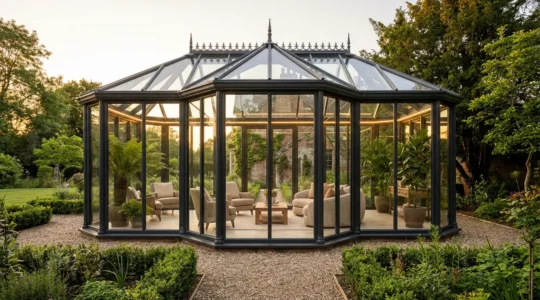
How to Design a Victorian Conservatory That Meets Modern Energy Standards?
The key to a successful Victorian conservatory is not replicating 19th-century flaws, but translating its elegant spirit into a high-performance structure using modern technology and design principles. Prioritise proportional harmony with the main house over exact historical replication to avoid…
Read more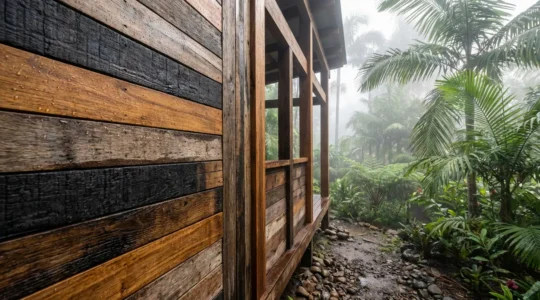
How to Protect Your Timber Frame from Rot in a Humid Climate: A Reassuring Guide
The secret to a long-lasting timber structure in a damp climate isn’t constant sealing and repair; it’s a holistic design that works with nature, not against it. Effective rot prevention relies on smart architectural choices like water-shedding joints and material…
Read more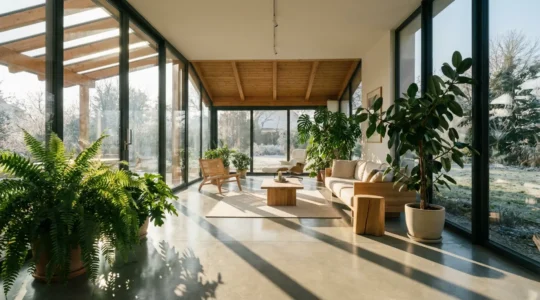
Why Adopting Bioclimatic Design Can Cut Your Heating Bills by 40%?
Bioclimatic design is not an expense; it’s a high-return investment in your home’s financial performance and your family’s health. It transforms your home’s structure into a dynamic thermal asset, actively harvesting and conserving energy to drastically reduce utility costs. It…
Read more