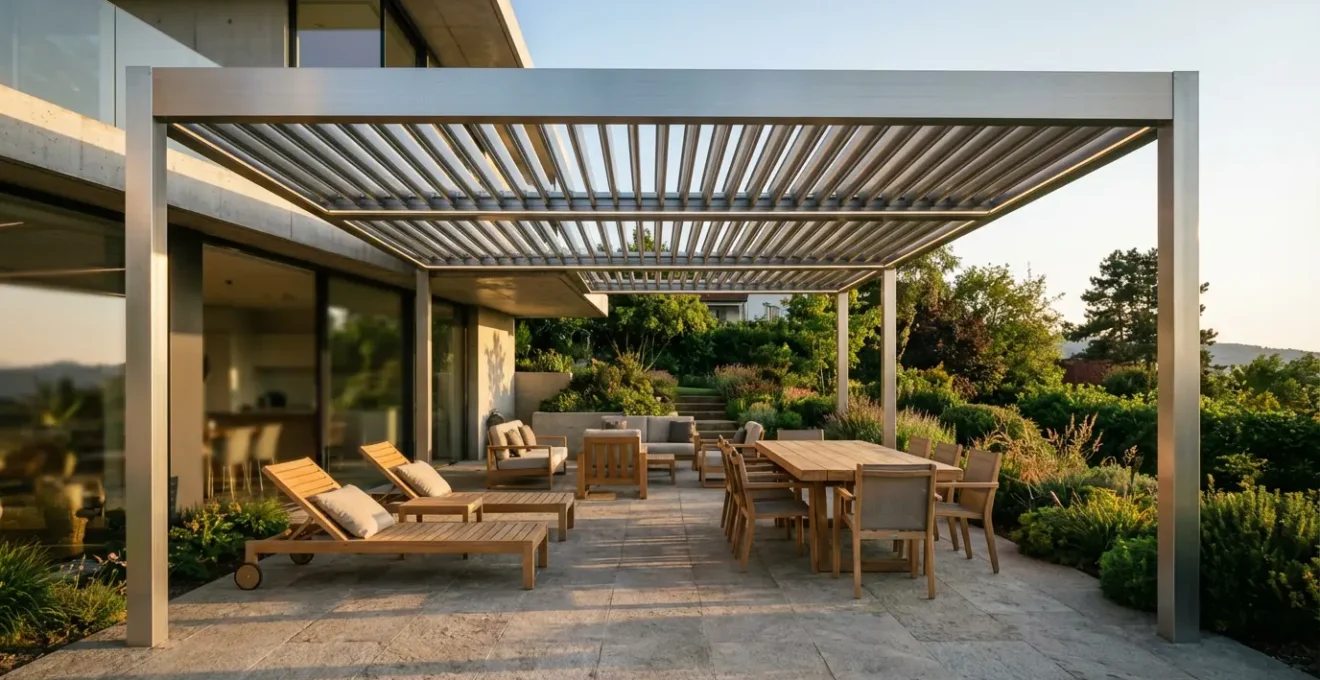
The premium for a motorized pergola is justified not as a cost, but as an investment in a dynamic system that actively protects assets and enhances your outdoor lifestyle.
- Automation provides real-time protection for high-value outdoor furniture, preventing costly weather damage.
- Smart integration allows for proactive climate control, significantly increasing the usability and comfort of your space.
Recommendation: Evaluate a motorized pergola based on its total lifecycle value—including asset preservation, enhanced usability, and energy efficiency—rather than its initial price compared to a static alternative.
For the discerning homeowner, the decision between a motorized pergola and a traditional fixed roof often appears to be a simple matter of cost versus convenience. A fixed structure provides permanent shelter, while a motorized version offers adaptability at a premium. This perspective, however, overlooks the fundamental shift in value that automation brings. The discussion should not be about a static price tag, but about the return on investment generated by an intelligent, responsive outdoor living system.
The true value of a motorized pergola lies in its ability to function as a piece of high-tech climate control equipment. It’s a system designed for proactive environmental management and dynamic asset protection. While conventional wisdom focuses on the luxury of adjusting louvers with a remote, the real justification is found in the seamless integration, the preservation of expensive outdoor furnishings, and the significant extension of your home’s usable square footage throughout the year. The initial investment unlocks a level of control and comfort that a static roof can never provide.
This guide will move beyond the surface-level debate. We will analyze the specific mechanisms that generate this return on investment, from automated rain sensors that safeguard your belongings to smart home integrations that prepare your space for your arrival. By reframing the question from “What does it cost?” to “What value does it create and protect?”, the justification for a motorized system becomes clear and compelling.
For a closer look at the mechanics that power these systems, the following video provides a brief overview of the motor installation process, a core component of the pergola’s automated functionality.
To fully appreciate the layers of value a motorized pergola offers, this article breaks down the key technical and lifestyle advantages. The following sections will explore how each feature contributes to a superior return on investment, providing a comprehensive framework for your decision.
Summary: A Value-Driven Analysis of Motorized Pergolas
- Why Your Furniture Needs a Pergola That Closes Automatically When It Rains?
- How to Sync Your Pergola Louvers with Your Smart Home Hub in 3 Steps?
- Hydraulic vs Electric Motors: Which Is Quieter for Late Night Adjustments?
- The Maintenance Oversight That Jams Motorized Louvers After 2 Years
- When to Call the Electrician: Before Pouring the Concrete Pad or After?
- How to Angle Louvers to Create a Cooling Venturi Effect on Hot Days?
- How to Use Geofencing to Pre-Cool Your Extension Before You Arrive?
- How to Test a Pergola for Watertightness Before Finalizing the Payment?
Why Your Furniture Needs a Pergola That Closes Automatically When It Rains?
The most immediate and quantifiable return on investment from a motorized pergola stems from its role in dynamic asset protection. High-end outdoor furniture, custom cushions, and electronic equipment represent a significant investment. A sudden downpour can cause irreversible damage, leading to high replacement costs. Studies on outdoor furniture maintenance show that a single weather-damaged item can be costly to replace, with some furniture replacement costs revealing that they can reach $400-800+ per item. A fixed roof offers constant protection but sacrifices light and openness, while a manual pergola relies on someone being present and quick enough to react.
This is where automation provides unparalleled value. A system equipped with a rain sensor, like the solution offered by BON Pergola, eliminates human error and reaction time. The moment precipitation is detected, the louvers close automatically, sealing the space and safeguarding your assets. By the time you notice it’s raining, your belongings are already protected. This proactive defense system transforms the pergola from a passive shade structure into an active guardian of your outdoor investments.
The mathematics of maintenance versus replacement reveals a stark reality: ignoring regular upkeep can increase your total furniture costs by 300-500%.
– Dave’s Home Furnishings, Outdoor Furniture Maintenance Cost Analysis
Consider the cumulative value over several years. Preventing the replacement of just a few cushions or a single piece of furniture can offset a significant portion of the premium paid for motorization. This isn’t mere convenience; it’s a calculated financial decision to mitigate risk and preserve the value and beauty of your outdoor living area.
How to Sync Your Pergola Louvers with Your Smart Home Hub in 3 Steps?
A motorized pergola realizes its full potential when it moves beyond being a standalone product and becomes a fully integrated component of your smart home ecosystem. This integration elevates the structure from a simple remote-controlled roof to a responsive element of your home’s overall automation strategy. For the tech-savvy homeowner, this is a critical aspect of its value proposition. The ability to control lighting, climate, and shelter from a single interface or with a voice command is the hallmark of modern luxury living.
The process generally involves three core stages. First is the installation of a compatible module, such as a Wi-Fi or Z-Wave bridge, that allows the pergola’s motor to communicate with your central hub (e.g., Control4, Savant). Second, you configure the device within your smart home app, assigning it to a “room” and setting up basic commands. Finally, you create automated scenes and routines—for example, a “Good Morning” scene that opens the louvers to let in sunlight, or an “Entertain” scene that closes them partially and turns on integrated lighting.
The choice of connectivity protocol is a key technical consideration for ensuring reliability and performance. This table offers a simplified comparison of the most common options available for smart pergola integration.
| Protocol | Range | Reliability | Integration |
|---|---|---|---|
| Wi-Fi | 150-300 ft | Good with strong signal | Universal compatibility |
| Zigbee | 30-100 ft | Excellent mesh network | Hub required |
| Z-Wave | 100-300 ft | Very reliable | Professional grade |
Ultimately, this level of integration means the pergola anticipates your needs, responding to pre-set schedules, voice commands, or other triggers from your smart home system. This seamless operation is a core part of the “experience optimization” that justifies the investment far beyond what a static structure can offer.
Hydraulic vs Electric Motors: Which Is Quieter for Late Night Adjustments?
The quality of a luxury experience is often defined by its subtlety. When it comes to a motorized pergola, the performance of the motor itself is paramount, especially for adjustments made during quiet evenings or early mornings. A loud, grinding motor can disrupt the serene ambiance of an outdoor space. The debate between hydraulic and electric motors centers on this very issue of operational refinement, alongside performance and maintenance.
Generally, hydraulic systems are prized for their exceptionally quiet operation. They function with a smooth, fluid motion that is often described as near-silent. Electric motors, while typically faster and requiring less maintenance, can produce a more noticeable level of operational noise. For a homeowner who values tranquility above all, the whisper-quiet performance of a hydraulic system might be the deciding factor. The Azenco R-BLADE™ pergola, for instance, leverages whisper-quiet motors to ensure seamless and non-disruptive operation.
This comparative table breaks down the key performance differences between the two motor types, offering a clear overview for a value-oriented decision.
| Feature | Hydraulic Motor | Electric Motor |
|---|---|---|
| Noise Level | Below 40 dB (library quiet) | 45-55 dB (refrigerator level) |
| Speed | Slower, smooth operation | Faster response time |
| Maintenance | Fluid checks required | Minimal maintenance |
| Cold Weather Performance | Fluid viscosity issues | Consistent operation |
The choice is not merely technical; it’s a lifestyle consideration. If you envision adjusting your pergola late at night without disturbing guests or family, the minimal sound profile of a high-quality hydraulic or a specially designed “whisper-quiet” electric motor is a feature that provides tangible value every time you use it. This focus on the quality of the user experience is a cornerstone of the motorized pergola’s superior value proposition.
The Maintenance Oversight That Jams Motorized Louvers After 2 Years
A primary concern for any homeowner investing in a mechanized system is its long-term reliability and lifecycle value. A motorized pergola is no exception. The most common cause of failure in motorized louver systems is not a faulty motor but a simple lack of preventive maintenance. Debris such as leaves, pine needles, and pollen can accumulate in the drainage channels and pivot mechanisms. Over time, this buildup can obstruct the louvers’ movement, placing strain on the motor and eventually causing it to jam or fail.
This is an entirely preventable issue. A consistent, proactive maintenance schedule is the key to ensuring decades of flawless operation. In fact, industry experts indicate well-maintained louvered roofs can offer a lifespan of over 20 years, making the initial investment highly cost-effective over the long term. This oversight—ignoring small, regular cleanings—is what separates a short-lived gadget from a lasting home improvement.
Implementing a simple schedule is all that’s required. This includes monthly visual inspections and clearing of debris, quarterly cleaning of internal drainage channels with compressed air, and semi-annual lubrication of pivot points with a silicone-based lubricant. For homes in coastal areas, a monthly rinse with fresh water is also recommended to combat salt corrosion. This minimal effort protects the intricate mechanics of the system and ensures the pergola continues to function as a reliable, automated climate control solution for years to come.
When to Call the Electrician: Before Pouring the Concrete Pad or After?
Proper planning is the foundation of a successful high-end installation, and this is especially true for the electrical requirements of a motorized pergola. One of the most critical—and costly—mistakes a homeowner can make is addressing the electrical work at the wrong time. The definitive answer is that the electrician must be consulted before the concrete pad is poured. This proactive step is essential for a clean, safe, and future-proof installation.
The reason is simple: motorized pergolas require a dedicated power supply, typically a 120V GFCI outlet, which must be run from the house to the pergola’s location. The safest and most aesthetically pleasing way to do this is by running electrical conduit beneath the patio surface. An electrician will lay the conduit in the prepared ground before the concrete is poured. Attempting to run power after the fact involves either unsightly exposed conduit or the hugely expensive and structurally compromising task of cutting and patching the new concrete.
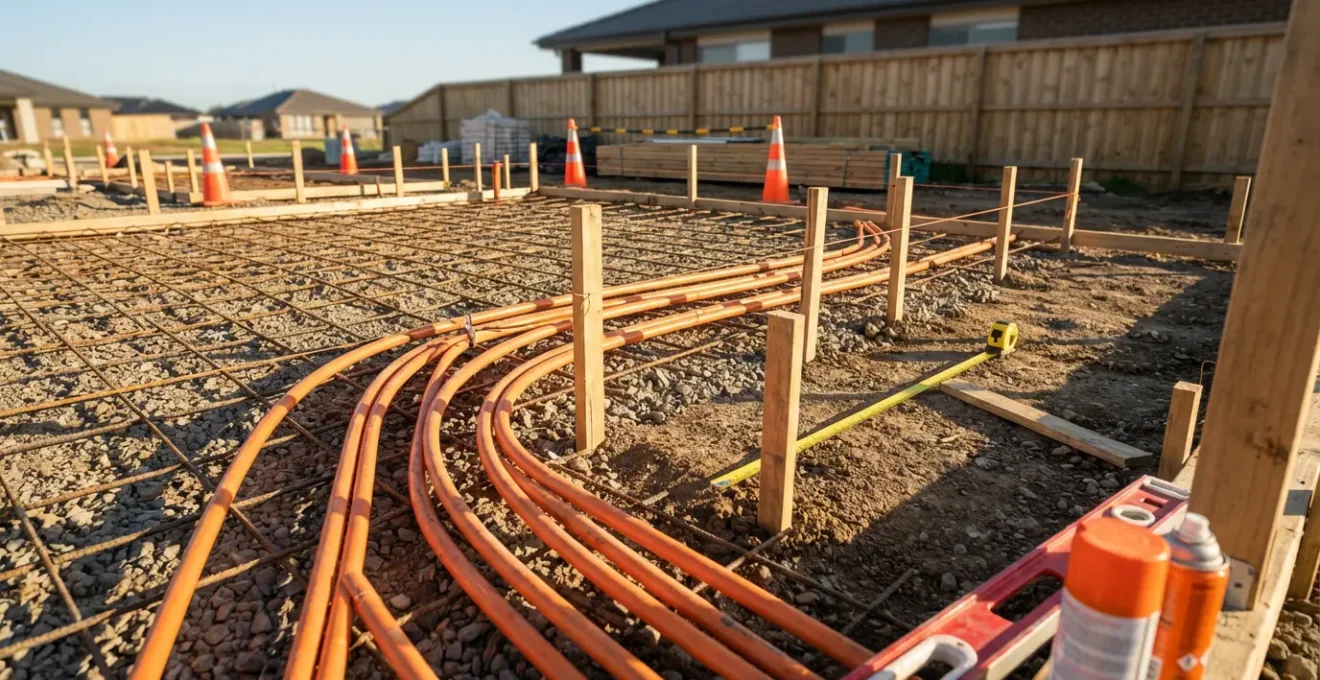
Furthermore, this planning stage is the perfect opportunity to think about future upgrades. A smart consultant will advise installing extra “dummy” conduits at the same time. These empty channels provide a ready path for future additions like integrated heating, ceiling fans, speakers, or even an EV charging station, without ever needing to disturb the finished patio. This foresight adds immense long-term value and adaptability to your outdoor space for a minimal upfront cost.
How to Angle Louvers to Create a Cooling Venturi Effect on Hot Days?
Beyond simply blocking the sun, a motorized pergola offers the sophisticated ability to engage in proactive climate management through precise control of airflow. One of the most effective techniques for natural cooling is harnessing the Venturi effect. This aerodynamic principle occurs when air is forced through a constricted space, causing its speed to increase and its pressure to decrease. This process actively pulls warmer air up and away from the patio area below, inducing a cooling breeze.
To achieve this, you must angle the louvers to create a series of narrow gaps. The optimal angle is typically between 30 and 45 degrees, though this can vary based on the sun’s position and the pergola’s specific design. By opening the louvers just enough, you transform the roof from a solid barrier into an array of airfoils. As ambient wind passes over the top, the constricted channels between the louvers accelerate the air, creating the low-pressure zone that draws heat upwards.
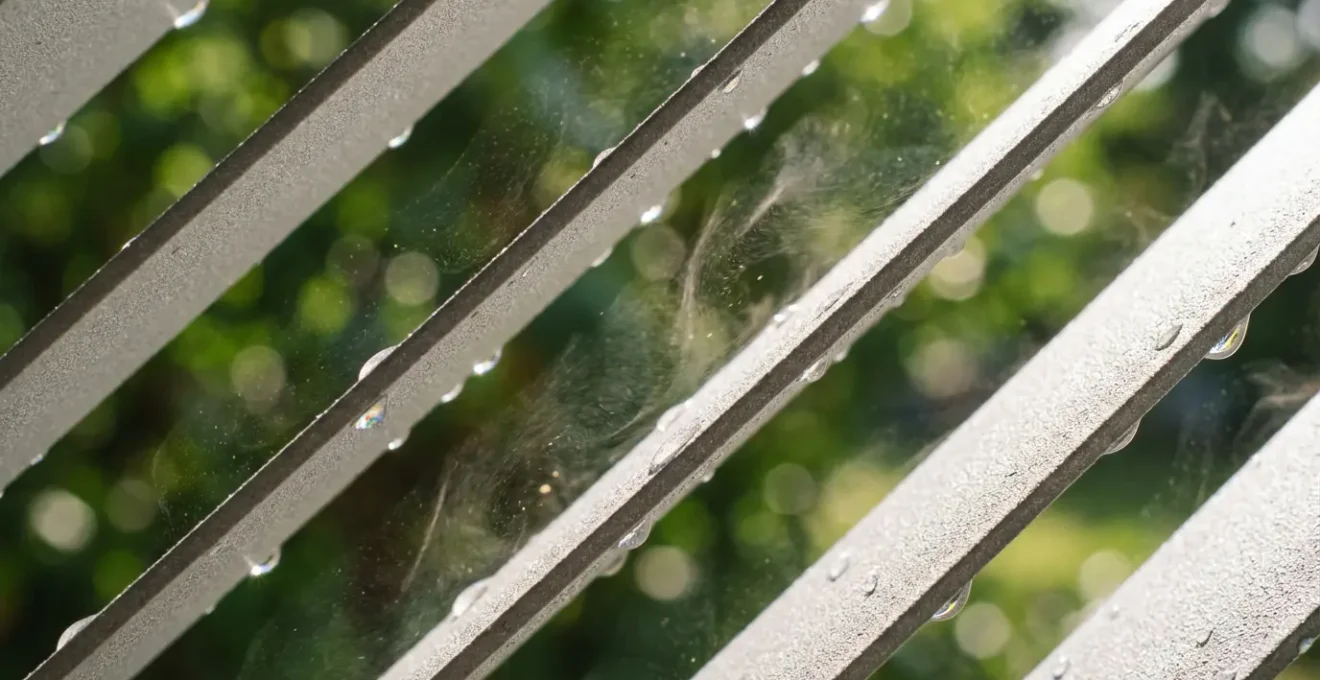
This is not a passive process; it’s an active cooling system that requires no additional energy. The cooling power of this natural ventilation is significant; scientific analysis shows that the Venturi effect can achieve a temperature reduction of 5-8°F (3-5°C) in the space below. This ability to manipulate airflow and actively cool an outdoor area on a hot day is a powerful justification for a motorized system, offering a level of comfort a fixed roof could never replicate.
How to Use Geofencing to Pre-Cool Your Extension Before You Arrive?
The pinnacle of a motorized pergola’s value is realized through advanced automation like geofencing. This technology represents the ultimate in seamless experience optimization, transforming your outdoor space into an environment that intelligently prepares itself for your arrival. Geofencing uses your smartphone’s GPS to create a virtual perimeter around your home. When you cross this boundary, it triggers a pre-programmed sequence of actions, ensuring your patio is at the perfect temperature the moment you step outside.
Setting this up is typically done through a smart home automation platform like IFTTT (If This Then That) or the native app for your smart hub. The process is straightforward and incredibly powerful. For example, you can create an “Arrival” protocol for a hot day:
- Step 1: Configure a one-mile geofence radius around your home.
- Step 2: Set a trigger for when you enter this radius. This trigger commands the pergola to angle its louvers for maximum shade.
- Step 3: If your system includes a misting feature, program it to run for two minutes just before your estimated arrival time, creating a rapid evaporative cooling effect.
The reverse is also true for colder months. A “Winter Arrival” protocol could open the louvers to capture passive solar heat, warming the patio and the adjacent interior rooms just before you get home. This level of proactive, personalized climate control, which operates automatically without any direct command, is the essence of modern luxury. It demonstrates how a motorized pergola isn’t just an addition to your home; it’s an integrated system that enhances your daily life.
Key Takeaways
- A motorized pergola is an active system for asset protection, not just a passive roof.
- Smart integration transforms it into a responsive part of your home’s climate control, enhancing usability.
- The true ROI is measured in preserved furniture, extended seasonal use, and optimized comfort, justifying the premium over a fixed structure.
How to Test a Pergola for Watertightness Before Finalizing the Payment?
After investing in a premium motorized pergola, the final and most crucial step before signing off and making the final payment is to verify its core promise: providing a dry, protected space. A thorough watertightness test is not an optional extra; it is your right as a client to ensure the system performs as advertised. Do not rely on a visual inspection alone. A comprehensive test simulating heavy rainfall is the only way to confirm the integrity of the louver seals and drainage system.
A professional installation team should be comfortable with you performing or observing this test. It involves methodically challenging every seam, joint, and channel with a consistent water source. Any failure point, no matter how small, can lead to significant issues down the line. A single persistent drip can damage furniture, flooring, and integrated electronics, undermining the very purpose of your investment. This final quality assurance check provides peace of mind and confirms that you have received the high-performance system you paid for.
Before you finalize the project, it’s essential to perform a systematic audit to confirm the system’s performance under pressure. This checklist provides a clear, actionable protocol to follow.
Your Final Acceptance Checklist: Watertightness Verification
- Simulate Storm Conditions: Use a garden hose with a spray nozzle to douse the entire roof for at least 15 continuous minutes, mimicking heavy, driving rain.
- Inspect All Seams and Joints: Methodically direct the water stream at all louver interlocking edges and the crucial connection point between the pergola and the house wall.
- Verify Drainage System Function: Check that water is collected by the integrated gutters and flows freely out of the drainage exits within the posts, with no pooling on the roof or blockages.
- Check All Penetration Seals: Pay special attention to the seals around any integrated lighting, heaters, or other electrical components to ensure no water ingress.
- Document and Report: If any leaks or drips are found, document them with clear photos and video before signing any final acceptance paperwork. Present this to the installer for immediate remediation.
Completing this rigorous test ensures your motorized pergola is not just a beautiful architectural feature but a robust, reliable, and truly weatherproof extension of your home.
By shifting your perspective from initial cost to long-term value, the justification for a motorized pergola becomes self-evident. It is a sophisticated investment in your property’s functionality, aesthetics, and asset protection. To explore how a custom-designed system can meet your specific lifestyle and architectural needs, the next logical step is to consult with a specialist for a personalized analysis.