Furniture and Furnishings
Furniture represents one of the most significant investments in creating a comfortable, functional home. Unlike decorative accessories that can be easily swapped, the pieces you choose for seating, storage, and dining become the foundation of your daily living experience. Understanding what separates exceptional furniture from mediocre alternatives empowers you to make confident decisions that serve you well for years, even decades.
This comprehensive exploration examines the fundamental principles behind furniture selection, from structural integrity and material science to ergonomic considerations and long-term maintenance. Whether you’re furnishing your first apartment or upgrading key pieces in an established home, the knowledge shared here will help you evaluate quality, optimize comfort, and protect your investment through informed care practices.
Understanding Construction Quality and Structural Integrity
The longevity of any furniture piece begins with how it’s built. While attractive fabrics and finishes catch the eye, the hidden framework determines whether a sofa will remain comfortable for fifteen years or require replacement after three.
Evaluating Joinery and Frame Construction
The structural integrity of joints forms the skeleton of quality furniture. Traditional joinery methods like mortise-and-tenon, dovetail, and corner blocks create connections that actually strengthen over time as wood naturally contracts. Think of these joints as interlocking puzzle pieces that distribute stress across multiple contact points, rather than relying on a single fastener that can work loose. When examining a piece, gently lift one corner—quality construction will feel solid and unified, while inferior frames may flex or creak.
Hardwood frames crafted from kiln-dried lumber resist warping and splitting far better than softwood alternatives. Oak, maple, and beech offer excellent stability, though the specific wood matters less than proper preparation and construction technique.
Hardware, Edge Banding, and Finishing Details
Cabinet hardware reveals much about overall quality standards. Full-extension drawer slides with ball-bearing mechanisms operate smoothly under load, while cheaper roller slides bind and wear quickly. Door hinges should feel substantial—lightweight stamped metal indicates cost-cutting that will manifest as misalignment within months.
Edge banding on composite materials deserves close inspection. Quality pieces use thick PVC or real wood veneer applied with heat-activated adhesive, creating seamless transitions that protect substrate edges from moisture damage. Poor edge banding peels away, exposing particleboard or MDF to swelling and deterioration.
Choosing Upholstery Materials and Natural Textiles
The fabrics and cushioning materials you select dramatically affect both immediate comfort and long-term satisfaction. Natural fibers offer compelling advantages for durability and environmental performance that synthetic alternatives struggle to match.
The Case for Natural Fiber Textiles
Natural textiles like wool, linen, and cotton bring inherent properties that enhance furniture performance. Wool fibers contain natural crimp that creates air pockets, providing thermal regulation that keeps you cool in summer and warm in winter. This same structure gives wool remarkable resilience—it can be compressed thousands of times and spring back, unlike polyester that mats and loses loft.
The durability science behind wool reveals why it has furnished homes for centuries. Each fiber can bend over 20,000 times before breaking, compared to roughly 3,000 bends for cotton. Wool also naturally resists soiling because its scaly surface repels liquids, giving you critical seconds to address spills before they become permanent stains.
Understanding Pile Height and Texture in Rugs and Upholstery
Pile height decisions affect both aesthetics and practicality. Low-pile fabrics (under half an inch) wear more evenly in high-traffic applications and show less tracking, making them ideal for dining chairs and family room sofas. Deep-pile textures create luxurious visual interest but require more maintenance—debris settles deep between fibers, and furniture legs create lasting compression marks.
For area rugs, rotation timing matters. Rotating rugs every six months distributes wear patterns and sun exposure, potentially doubling their useful life. This simple practice prevents the “pathways” that develop in high-traffic areas from becoming permanent.
Optimizing Comfort Through Ergonomic Design
Furniture should support your body’s natural alignment rather than forcing adaptation. Understanding the relationship between design and physical comfort helps you select pieces that feel good immediately and prevent long-term strain.
The Anatomy of Proper Seated Posture
Quality lounge furniture considers the biomechanics of seated posture. Your spine has natural curves—cervical (neck), thoracic (mid-back), and lumbar (lower back)—that require specific support to maintain neutral alignment. Sofas and chairs that provide lumbar support at approximately 5 inches above the seat, coupled with a slight recline of 100-110 degrees, reduce disc pressure and muscle fatigue.
Testing support before purchasing matters more than aesthetics. Sit fully back in the piece for at least five minutes. Your feet should rest flat on the floor, thighs parallel to the ground, with adequate depth to support your legs without pressure behind the knees. If the seat depth exceeds 21 inches, shorter individuals may struggle to achieve proper positioning.
Motion Furniture and Space Considerations
Recliners and motion sofas introduce mechanical complexity that requires careful evaluation. Modern mechanisms incorporate features like wall-proximity designs that fully recline while positioned just 4-6 inches from walls, versus traditional styles requiring 18-24 inches of clearance. This innovation makes motion furniture viable in smaller rooms where spatial efficiency matters.
Pinch points represent genuine safety concerns, particularly in homes with children or pets. Quality mechanisms include protective shields around moving parts, and upholstery should fit snugly enough to prevent fingers from accessing gaps during operation. Battery-powered options eliminate unsightly cords but require accessible placement for periodic charging.
Ensuring Long-Term Resilience in Cushions and Foam
Cushions determine whether furniture remains inviting or becomes something to avoid. The foam quality and construction methods used directly predict how pieces will feel after years of daily use.
Decoding Foam Density and Quality Metrics
Foam density, measured in pounds per cubic foot, indicates durability more reliably than firmness alone. High-resilience (HR) foam at 2.5-3.0 PCF offers excellent recovery for seat cushions, maintaining shape through thousands of compression cycles. Lower-density foam (under 1.8 PCF) might feel comfortable initially but develops permanent body impressions within months.
The testing methodology matters when evaluating resilience. The industry-standard 25% compression load deflection test measures force required to compress foam by one-quarter. Higher numbers indicate firmer support, but the resilience rating—how quickly foam rebounds—proves equally important for long-term performance.
Comparing Foam Types and Heat Retention
Memory foam gained popularity for conforming support but introduces heat retention challenges. Its dense cellular structure traps body heat, creating uncomfortable warmth during extended sitting. Many manufacturers now incorporate gel infusions or phase-change materials to improve thermal performance, though traditional high-resilience foam still breathes better for general seating applications.
Expect a break-in period of 2-4 weeks for new cushions. Foam requires compression cycles to achieve optimal feel, similar to breaking in leather shoes. Initial firmness gradually yields to comfortable support without losing structural integrity.
Planning Functional Layouts and Space Optimization
Even exceptional individual pieces underperform when poorly arranged. Thoughtful layout planning maximizes both functionality and visual flow, creating rooms that work as cohesively as they look.
Mastering Living Room Configurations with Large-Scale Seating
L-shaped sectionals offer compelling social dynamics—the perpendicular orientation naturally creates conversation zones while maximizing seating density. However, corner measurements require precision. Most sectional corners consume 36-40 inches in both directions, which can overwhelm rooms under 12×14 feet. Measure existing floor space, then use painter’s tape to outline the sectional’s footprint before purchasing.
Orientation decisions significantly impact traffic flow and function. Positioning the sectional’s longest section along the room’s primary wall anchors the space, while floating it away from walls creates distinct zones in open-plan layouts. Avoid blocking heat registers or radiators—furniture positioned directly over heat sources restricts airflow and can damage both the furniture and heating efficiency.
Customizing Storage for Collections and Media
The structural physics of shelving determines safe load limits. A shelf’s ability to resist sagging depends on three factors: material strength, span distance, and support method. Solid wood shelves spanning 36 inches can typically support 30-40 pounds when properly bracketed, while particleboard of equal dimensions might fail at 15 pounds. Overloading creates permanent bowing that compromises both aesthetics and function.
Adjustable shelving systems provide flexibility for evolving storage needs. Quality standards include metal shelf pins rated for substantial weight and precisely drilled holes spaced at regular intervals. Integrated lighting elevates display areas—LED strips mounted beneath shelves eliminate harsh shadows while consuming minimal energy.
Maintaining and Protecting Your Investment
Proper care extends furniture lifespan dramatically. Establishing routine maintenance practices prevents minor issues from becoming expensive problems while preserving both appearance and structural integrity.
Effective Stain Removal Methodology
The fundamental principle of stain removal is immediate action. Fresh spills haven’t bonded with fibers, making removal exponentially easier. Blot—never rub—with white absorbent cloth, working from the stain’s outer edge inward to prevent spreading. Different stains require specific treatments: water-based spills respond to mild detergent solutions, while oil-based substances need solvent-based cleaners designed for upholstery.
Always test cleaning solutions on inconspicuous areas first. What works on one fabric may permanently damage another. Professional cleaning every 12-18 months removes embedded soils that vacuuming misses, refreshing appearance and preventing abrasive dirt particles from wearing fibers prematurely.
Caring for Wood Furniture and Finishes
Solid wood furniture requires periodic oil maintenance to prevent drying and cracking. Natural oils like linseed or tung oil penetrate wood fibers, maintaining moisture content and enhancing grain patterns. Application every 6-12 months takes minutes but preserves wood’s structural integrity and beauty for generations.
Environmental factors affect wood constantly. Humidity fluctuations cause expansion and contraction—the reason antique pieces sometimes develop gaps or cracks. Modern climate-controlled homes minimize these movements, but allowing furniture to acclimate after delivery remains crucial. Leave pieces in their destination room for 48-72 hours before final positioning, letting them adjust to local temperature and humidity conditions.
Addressing Risks Specific to Natural Materials
Natural textiles bring specific vulnerabilities alongside their advantages. Moth damage threatens wool upholstery and rugs in homes with poor air circulation. Adult moths don’t damage fabric—their larvae consume protein fibers while developing. Prevention focuses on eliminating attractive conditions: regular vacuuming removes eggs and larvae, while cedar products and lavender sachets provide natural deterrence.
Fabric shrinkage primarily affects curtains and removable covers. Natural fibers like cotton and linen can shrink 3-5% when exposed to heat and moisture. Professional cleaning services understand these characteristics and use appropriate techniques, while home washing risks permanent sizing changes that prevent proper fit.
Selecting Finishes and Materials for Modern Aesthetics
Contemporary furniture often features sleek, reflective surfaces that demand different maintenance approaches than traditional finishes. Understanding these materials helps you balance aesthetic appeal with practical durability.
Achieving and Maintaining High-Gloss Finishes
The optical properties of gloss finishes create depth and light reflection that matte surfaces cannot match. However, this mirror-like quality also reveals every fingerprint and minor scratch. High-gloss lacquers or polyurethane coatings achieve their shine through multiple thin layers, each carefully sanded and polished. The final surface is glass-smooth, but also more brittle than satin finishes.
Scratch removal methodology varies by severity. Fine scratches often respond to specialized polishing compounds that level the surrounding finish. Deeper gouges may require professional refinishing—attempts to spot-repair frequently create noticeable patches in high-gloss surfaces. UV damage represents the primary long-term threat, as prolonged sun exposure causes yellowing in oil-based finishes and fading in pigmented lacquers.
Comparing Wood Varieties for Dining Furniture
Investing in heirloom-quality dining furniture centers on wood selection. Oak varieties—particularly white oak and red oak—offer distinct characteristics. White oak contains tyloses (cellular structures) that make it more water-resistant and suitable for pieces exposed to spills. Red oak features more pronounced grain patterns that create visual interest but requires more careful finishing to seal adequately.
The longevity of solid wood far exceeds veneer alternatives when properly maintained. A solid oak table can be refinished multiple times over decades, while veneer—though initially attractive—permits only surface-level restoration before exposing substrate material. This fundamental difference explains why solid wood commands premium pricing but proves more economical across generational timescales.
Quality furniture represents the intersection of craftsmanship, material science, and thoughtful design. By understanding construction fundamentals, selecting appropriate materials for your specific needs, and implementing proper maintenance practices, you create living spaces that remain comfortable, functional, and beautiful throughout the years ahead. The knowledge to evaluate quality empowers confident decisions that serve you well long after initial purchase excitement fades.
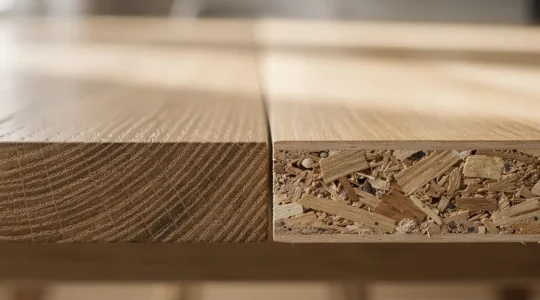
Why a Solid Oak Dining Table Is a Better Investment Than Veneer?
A solid oak table is not an expense; it is a multi-generational investment in your family’s story, gaining character and value where veneer simply depreciates. Its structure, from the dense grain to traditional dovetail joints, is engineered for a century…
Read more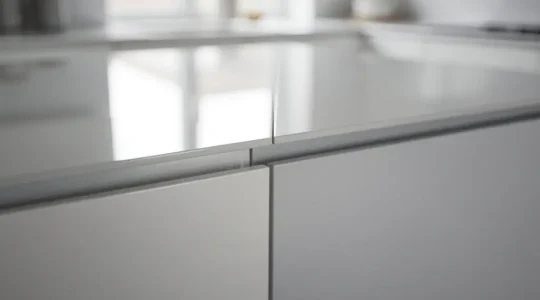
High-Gloss vs Matte Lacquer: Which Facade Finish Is Easier to Keep Clean?
Contrary to popular belief, a finish’s cleanability isn’t determined by its sheen, but by its underlying quality and technology. A high-quality, washable matte finish can be far easier to maintain than a low-quality, scratch-prone gloss finish. Key failure points like…
Read more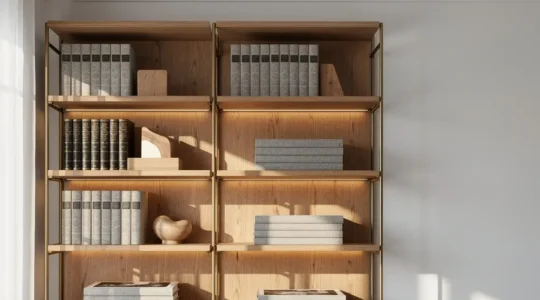
How to Design Bespoke Shelving That Accommodates Large Art Books and Media?
Designing bespoke shelving for a significant collection is not about adding more wood; it’s a synthesis of material science, structural engineering, and aesthetic intent. Structural integrity depends on a precise span-to-thickness ratio and superior joinery, not just brute force. Aesthetic…
Read more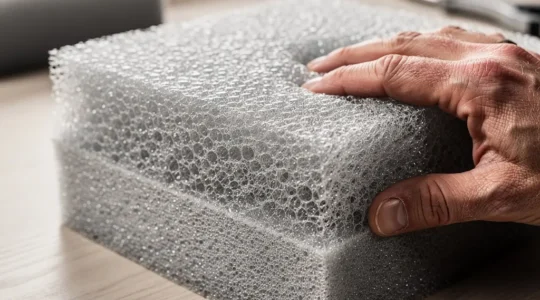
How to Choose the Right Foam Density to Avoid Sofa Sagging After 2 Years?
Sofa sagging isn’t bad luck; it’s predictable material failure driven by low-density foam, which often collapses around the two-year mark. The most critical factor for a sofa’s lifespan is its foam density (measured in kg/m³ or PCF), not its initial…
Read more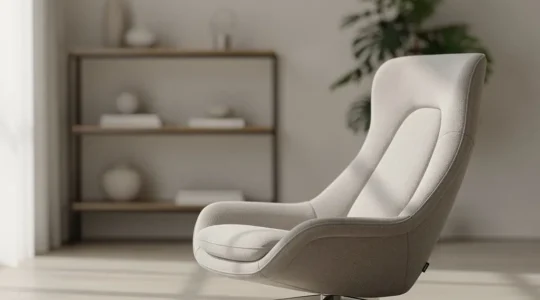
The Orthopedic Guide to Lounge Chairs: How Proper Lumbar Support Prevents Lower Back Pain
The root cause of back pain from lounge chairs isn’t softness, but poor design that forces your spine out of its natural alignment. Deep, unsupportive sofas cause a posterior pelvic tilt, flattening the crucial lumbar curve and straining muscles. True…
Read more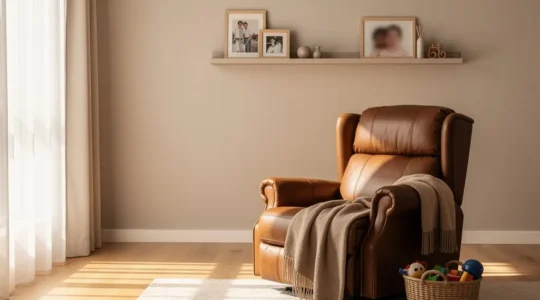
Manual vs Power Recliners: Which Lasts Longer in a Family Home?
The debate over whether manual or power recliners last longer misses the point entirely; durability is determined by the quality of the internal mechanism and proper maintenance, not the power source. A well-maintained power recliner with a high-grade motor will…
Read more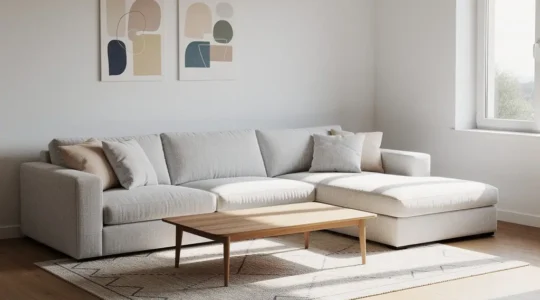
How to Position a Sectional Sofa to Master Your Room’s Flow
A large sectional sofa shouldn’t block your room; it should be the architectural tool that defines it. Mastering measurements that account for “activity zones” is the key to avoiding a “tight fit” disaster. Strategic placement (“floating”) and correct orientation (LAF/RAF)…
Read more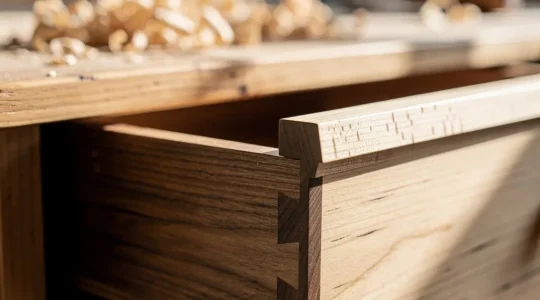
How to Identify Premium Joinery Details in Custom Cabinetry Quotes?
The difference between cabinetry that lasts a lifetime and one that fails in five years is hidden in the joinery details of your quote. True quality is physically testable; learn to check for drawer racking, runner deflection, and edge banding…
Read more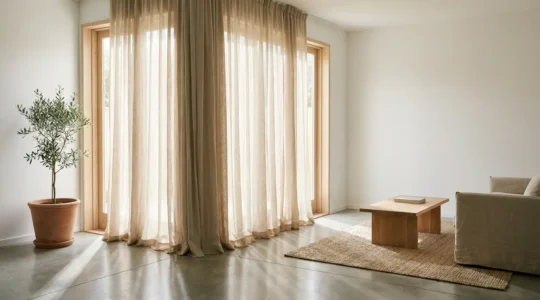
How to Choose Linen Curtains That Offer Privacy Without Blocking Daylight?
The solution to the privacy-versus-light dilemma isn’t about choosing one or the other, but engineering a system that transforms harsh daylight into a soft, private glow. The fabric’s weave density (GSM), not just its color, dictates the level of light…
Read more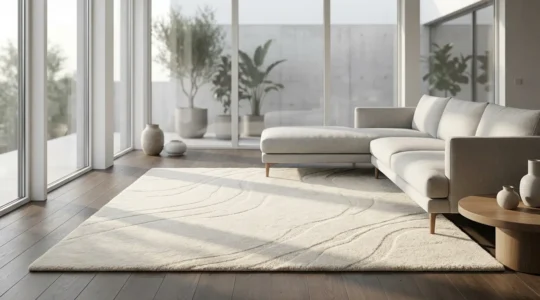
Why a 100% Wool Rug Is the Smartest Investment for Your High-Traffic Living Room
A 100% wool rug isn’t just a decor choice; it’s a long-term performance asset for your home, scientifically engineered by nature to withstand the realities of family life. Its natural fibers offer superior resilience, springing back from heavy furniture compression…
Read more